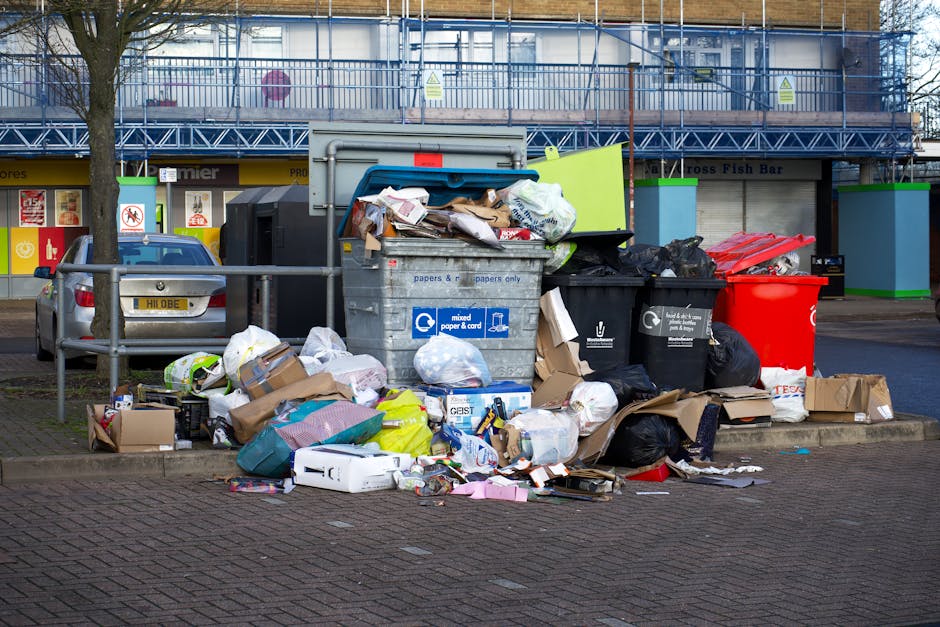
Drummond Street Bulky Waste Removal Case Study and Outcome
Bulky waste has a habit of turning a simple clear-out into a bigger job than expected. One chair becomes three. A mattress appears from a back room. Then there is an old table, broken shelving, and a few awkward bits no one wants to lift. If you are dealing with a Drummond Street bulky waste removal case study and outcome, you probably want more than theory - you want to understand what happens, what the result looks like, and whether the process is actually worth it.
This article breaks the job down in plain English. It explains the practical steps, the real-world decisions that matter, and the kind of outcome you can expect when bulky items are removed properly. Along the way, we will look at common risks, useful checks, and the best way to approach a clearance in a busy central London setting. Truth be told, that setting changes a lot of the detail.
If you are also comparing related services, it may help to explore general waste removal, furniture clearance, or home clearance depending on what needs shifting. Those pages sit naturally beside a bulky waste job because, in real life, the categories often overlap a bit.
Table of Contents
- Why Drummond Street bulky waste removal case study and outcome Matters
- How Drummond Street bulky waste removal case study and outcome Works
- Key Benefits and Practical Advantages
- Who This Is For and When It Makes Sense
- Step-by-Step Guidance
- Expert Tips for Better Results
- Common Mistakes to Avoid
- Tools, Resources and Recommendations
- Law, Compliance, Standards, or Best Practice
- Options, Methods, or Comparison Table
- Case Study or Real-World Example
- Practical Checklist
- Conclusion
- Frequently Asked Questions
Why Drummond Street bulky waste removal case study and outcome Matters
Drummond Street is not the sort of place where a bulky waste job happens in a vacuum. You are usually dealing with tight access, shared entrances, neighbours close by, and limited time to make a mess. That makes the outcome of the job just as important as the removal itself. A neat, well-planned clearance can restore usable space quickly. A poorly planned one can create complaints, delays, and an unpleasant trail of dust and debris. Nobody wants that.
What makes a case study useful is that it shows the chain of cause and effect. Not just what was removed, but how the removal was handled and what changed afterwards. Did the space become safe again? Was access cleared for daily use? Could the client move on without further disruption? Those are the questions people actually care about.
For homeowners, landlords, office managers, and anyone handling a flat or mixed-use property, bulky waste removal is about more than disposal. It is about restoring order. If the removal is done properly, the outcome is visible immediately: less clutter, safer movement, and less stress. That sounds simple, but on a street like Drummond Street, simplicity is often the result of good planning.
One practical point often overlooked: bulky waste is not just "big rubbish". It may include items that need careful lifting, separation, or handling because of material type or condition. Old furniture, mattresses, broken appliances, and mixed household items all bring slightly different challenges. That is where a service plan matters more than guesswork.
How Drummond Street bulky waste removal case study and outcome Works
The process usually starts with a quick assessment of what needs to go and where it is located. That sounds obvious, but it is the bit that prevents the day from becoming a scramble. A clear list helps identify access issues, loading requirements, and whether the items need to be broken down before removal.
In a central London setting, the route from inside the property to the vehicle matters almost as much as the items themselves. Narrow stairs, communal hallways, door widths, parking constraints, and time windows can all shape the job. If a team is prepared, these issues are manageable. If they are not, the whole thing can drag on.
Typically, the work follows a simple sequence:
- Initial review of the bulky waste and access points.
- Planning the safest route for removal.
- Lifting and loading items without damaging walls, floors, or shared areas.
- Sorting items for reuse, recycling, or disposal where possible.
- Leaving the area swept and ready to use.
That last step is more important than people think. A removal that ends with visible dirt, loose screws, or scattered packaging does not feel finished, even if the waste is technically gone.
If the clearance includes awkward furniture, it may connect neatly with furniture disposal or flat clearance. These services often overlap because one item leads to another. You start with a sofa and end up with a whole room that needs resetting. Happens all the time, to be fair.
Key Benefits and Practical Advantages
The most obvious benefit is space. Once the bulky items are gone, the room feels bigger straight away. That is not just cosmetic. It can change how a property is used, whether that means making a flat liveable again, preparing a rental between occupants, or clearing storage for a better layout.
There is also a safety gain. Old bulky items often become trip hazards, block fire routes, or make cleaning more difficult. In shared buildings, that can become an issue very quickly. A clear passage is not a nice-to-have; it is part of keeping the property sensible and usable.
Another benefit is mental, and this gets underestimated. People often feel oddly relieved once a cluttered room is cleared. You can hear the echo return. You notice daylight in a corner that had been hidden. It sounds a bit dramatic, maybe, but clutter affects how a place feels.
Some of the main advantages include:
- Faster restoration of usable space
- Reduced manual lifting risk for residents or staff
- Better presentation for lettings, sales, or inspections
- Improved access for cleaning or follow-on works
- More responsible handling of reusable and recyclable items
For businesses, bulky waste removal can also support continuity. An office that needs old desks or broken chairs cleared can get back to normal quicker if the job is handled in a single visit. For that kind of setting, office clearance may be a useful related service, especially where a larger workplace reset is needed.
Who This Is For and When It Makes Sense
This kind of removal is suitable for a wide range of people, but the triggers are usually similar. You have items that are too large for normal bin collection, too awkward to move safely yourself, or too many to deal with in one go. That is the point where bulky waste removal becomes the sensible option rather than a last resort.
It makes particular sense for:
- Landlords preparing a property for new tenants
- Homeowners dealing with post-move clutter
- Flat residents with limited lift or stair access
- Offices replacing furniture or clearing storage
- Builders or decorators left with large offcuts or unwanted materials
There is a slight judgment call here. If the items are only a couple of small pieces, you might not need a full clearance approach. But if you are starting to stack things in a hallway because they are awkward to carry, the job has probably already outgrown DIY. Let's face it, once the second item appears, the plan tends to unravel a bit.
In property management, bulky waste removal is often paired with a broader reset. A house clearance or garage clearance may be the better fit if there are multiple categories of items, not just one or two large pieces. That distinction saves time and prevents awkward half-finished jobs.
Step-by-Step Guidance
If you want a smooth outcome, treat the job like a short project rather than a random lift-and-go task. That mindset alone makes a difference.
- List the items clearly. Walk through the property and note what needs to go. Include anything hidden in corners, behind doors, or in storage areas. A forgotten item can become the thing that delays the whole clear-out.
- Check access routes. Measure narrow spaces if needed. Look at stair turns, shared entrances, and parking access. If a mattress or wardrobe needs to be manoeuvred through a tight stairwell, it is better to know before the day starts.
- Separate anything that should stay. This sounds basic, but in a cluttered room it is easy to lose smaller items. Keep keys, paperwork, chargers, tools, and personal effects away from the removal pile.
- Decide what can be reused or recycled. Not every bulky item has the same end point. Some furniture may be suitable for reuse. Some items are better broken down for material recovery. Others simply need disposal.
- Choose the right service level. If it is a single-room job, a focused removal may do the trick. If the property needs a larger reset, you may be better looking at home clearance or even waste removal depending on the mix of materials.
- Confirm what happens after collection. Ask how the items will be handled, whether the team will sweep up, and what you should expect once the work is complete.
A little planning goes a long way. One Wednesday morning job, for instance, can feel effortless if the route is clear and the items are grouped properly. The same job on a rainy day with no parking plan? A different story entirely.
Expert Tips for Better Results
Here is the advice that tends to save time, money, and a fair bit of frustration.
First, do not underestimate access. The item may fit the room, but can it turn the corner? That is the real question. Measure doorways and stair bends if you are unsure. It feels tedious, but it prevents chaos later.
Second, group items by type. Put furniture together, soft furnishings together, and mixed rubbish in another pile. That makes the load easier to assess and helps the team work faster.
Third, protect the route out. If floors are delicate or communal areas are tight, lay down protection where needed. A small bit of care avoids scuffed paint or complaints from neighbours. Easy win.
Fourth, plan for the "extra bits". Bulky waste jobs often reveal smaller items once the big pieces move. Bags, loose panels, broken parts, old fixtures - they have a funny habit of turning up at the end. Leave some room in the plan.
Fifth, think beyond disposal. If the room is being emptied for a new purpose, consider what comes next. Cleaning, repairs, or a quick rearrangement may be easier to complete while the space is empty. That sequence matters.
When projects involve specialist handling or mixed waste streams, it can also help to review builders waste clearance or furniture clearance for a better fit. A job often sits between categories, and that is perfectly normal.
Common Mistakes to Avoid
The biggest mistake is treating bulky waste like ordinary bin waste. It is not. It is larger, harder to move, and more likely to need planning. If you wing it, you often end up with blocked corridors or a half-cleared room at the wrong time of day.
Another common issue is mixing what should be kept with what should be removed. In a hurry, people bag things up and forget what is inside. Then they spend twenty minutes hunting for something they meant to keep. Slightly annoying, very avoidable.
Other mistakes include:
- Not checking access or parking restrictions
- Leaving the job until the last minute
- Forgetting to separate reusable items
- Assuming every service covers the same waste types
- Ignoring the need to protect floors, walls, or communal areas
There is also a financial mistake people make: choosing the wrong level of service. If you only need a few items removed, a larger clearance may be more than necessary. On the flip side, if you have a full flat of bulky items, a small one-off collection can leave you paying twice. That balance is worth getting right.
Tools, Resources and Recommendations
You do not need a warehouse full of kit to organise a bulky waste job well. A few simple tools and habits help a great deal.
- Measuring tape: useful for checking doorways, stair widths, and item dimensions.
- Phone photos: helpful for planning and for comparing before-and-after results.
- Labels or notes: handy if there are keep, donate, and remove piles.
- Protective gloves: sensible if you are touching sharp edges, dirty surfaces, or splintered timber.
- Strong bin bags or boxes: useful for smaller items that sit alongside bulky waste.
For service selection, a few pages on the site can help you compare the right level of support. If you are dealing with general house contents, house clearance may suit. If you are mainly shifting specific items, furniture disposal can be a better match. If a property needs a more complete emptying, loft clearance or garage clearance may also be relevant.
And if you are comparing costs, the most useful starting point is usually pricing and quotes. That keeps the decision grounded in the actual job, not guesswork.
Law, Compliance, Standards, or Best Practice
Bulky waste removal in the UK needs to be handled with care and common sense. The exact legal duties can vary by property type, waste type, and who is organising the removal, so it is wise not to assume every job is identical. A professional approach should always aim to prevent unlawful dumping, avoid unsafe manual handling, and separate materials appropriately where possible.
Best practice usually includes:
- Using a responsible waste carrier or clearance provider
- Keeping clear records of what was removed, if needed
- Avoiding obstruction in shared hallways or fire routes
- Handling heavier items with proper lifting technique and enough people
- Sorting reusable or recyclable items rather than sending everything to disposal by default
There is also a practical duty of care angle here. If you hand waste to the wrong person or leave it somewhere unsuitable, the problem can come back to you. That is why it pays to work with a service that understands both the physical side and the paperwork side of the job.
For reassurance around operational standards, you may also want to review health and safety policy, insurance and safety, and recycling and sustainability. Those pages help set expectations around responsible working practices and the treatment of waste after collection.
Options, Methods, or Comparison Table
Not every bulky waste job needs the same method. The right choice depends on access, volume, item type, and how quickly the space needs to be ready again.
| Option | Best for | Typical strengths | Things to watch |
|---|---|---|---|
| Single bulky item collection | One or two large pieces | Quick and simple | May not suit mixed loads or extra items |
| Furniture-focused clearance | Sofas, wardrobes, tables, beds | Good for room resets | Less useful if waste is varied |
| Full home or flat clearance | Multiple rooms or a bigger declutter | More comprehensive | Can be more than needed for a small job |
| Mixed waste removal | Bulky items plus smaller general waste | Flexible and practical | Needs clearer sorting and planning |
If you are unsure which route fits, ask a simple question: are you removing a few items, or are you resetting the space? That one question often answers the rest.
Case Study or Real-World Example
Here is a realistic example of how a Drummond Street bulky waste removal outcome can unfold, without pretending the details are more specific than they are.
A property near Drummond Street had accumulated several bulky pieces after a room was emptied for reconfiguration. The load included a sofa, a mattress, a damaged shelving unit, and a few smaller items tucked behind furniture. The issue was not just the volume - it was access. The route out involved a narrow internal stair, a communal entrance, and limited time to move everything without causing disruption.
The work began with a clear check of the access route and the items to be removed. The team separated the waste into what needed lifting intact and what could be broken down safely first. This made the handling smoother and reduced the chance of scuffs in the hallway. The area was then cleared in one coordinated visit rather than stretched over several smaller attempts. Much better, honestly.
The outcome was straightforward but valuable: the room was left empty, the access route was kept tidy, and the property could move on to the next stage without delay. That might sound modest, but in a busy part of London, a clean reset like that saves time for everyone involved. Neighbours were not stuck around a blocked entrance, and the client could get straight into cleaning and re-use planning.
Expert summary: the best bulky waste outcome is usually not the one with the most dramatic effort. It is the one that leaves the space safe, clear, and ready for what comes next - with the least fuss possible.
Practical Checklist
Use this before the removal day. It keeps things calm.
- Confirm every item that needs to go
- Check whether anything should be kept or stored elsewhere
- Measure narrow access points if the items are large
- Clear a path from the items to the exit
- Protect floors or walls if needed
- Separate reusable items from general waste
- Check whether the job is furniture-only or mixed waste
- Ask what will happen to recyclable materials
- Make sure the space is ready for the next task after clearance
- Leave a little room for unexpected extras
That last point matters more than it should. One bag of forgotten odds and ends has a funny way of becoming the real job.
Conclusion
A Drummond Street bulky waste removal case study and outcome is really about two things: careful planning and a clean finish. The removal itself matters, but the result matters just as much. When the route is thought through, the items are handled properly, and the space is left tidy, the whole experience feels easy - or at least easier than people expected.
For anyone dealing with large unwanted items in a central London property, the most sensible approach is to match the service to the job, not the other way round. Some clear-outs need a focused furniture removal. Others need a wider house, flat, or office reset. Getting that decision right saves time and avoids unnecessary stress. And that is worth quite a lot.
If you are weighing up your next step, compare the scope of the job, the access, and the end goal. Then choose the route that gets you there cleanly. Simple enough, but not always easy when the room is already full.
Get a free quote today and see how much you can save.
Frequently Asked Questions
What is bulky waste removal in simple terms?
It is the removal of large items that do not fit normal household bin collection. That usually includes furniture, mattresses, large household goods, and similar awkward items.
Why would Drummond Street need a case study for bulky waste removal?
A case study helps show what a real outcome looks like in a busy central London setting. It highlights planning, access, safety, and the final result rather than just the service itself.
How long does a bulky waste removal usually take?
That depends on volume, access, and how many items need moving. A small job can be quick, while a larger or more awkward clearance takes longer because planning matters.
Can bulky waste be removed from a flat or upper floor?
Yes, provided the access route is workable and the items can be moved safely. Flats often need a bit more care because of stairs, shared entrances, and tighter spaces.
Is bulky waste removal the same as furniture clearance?
Not always. Furniture clearance is a more specific service, while bulky waste removal can include many large items, not just furniture. The two often overlap, though.
What should I do before the team arrives?
Clear a path, separate keep items from remove items, and make sure any access instructions are ready. A few minutes of prep can save a lot of time on the day.
What if I only have one large item to remove?
That is still a valid bulky waste job. A single item can be awkward enough to justify a proper removal if it is heavy, hard to carry, or impossible to dispose of safely yourself.
Do bulky waste items always go to landfill?
No, not necessarily. Good practice is to look at reuse and recycling first where possible. The right disposal route depends on the item type and condition.
How do I know whether I need a full clearance or just waste removal?
If you are only removing a few items, waste removal may be enough. If whole rooms, storage areas, or a full property need clearing, a broader clearance service is usually more appropriate.
What are the biggest mistakes people make with bulky waste?
The main mistakes are poor planning, forgetting access restrictions, mixing items that should be kept, and assuming all waste can be handled the same way. Those little errors are the ones that cause delays.
Is bulky waste removal suitable for offices and businesses?
Yes. Offices often need old desks, chairs, storage units, or mixed furniture removed before a refit or relocation. In those cases, business-focused services can be a better fit.
Where can I compare prices or request a quote?
A good starting point is the site's pricing and quotes page. It helps you understand the likely scope before moving ahead.
For company information and service approach, you can also visit the about us page, and if you are ready to make an enquiry, the contact us page is there too. Sometimes the simplest next step is just asking the question.
And if you want to understand how waste is handled after collection, the recycling and sustainability page is worth a look. That kind of detail matters more than people think, especially when the job is being done in a busy neighbourhood and you want the result to feel properly finished.